

How to Choose a Junior College Math Tuition Centre in Singapore
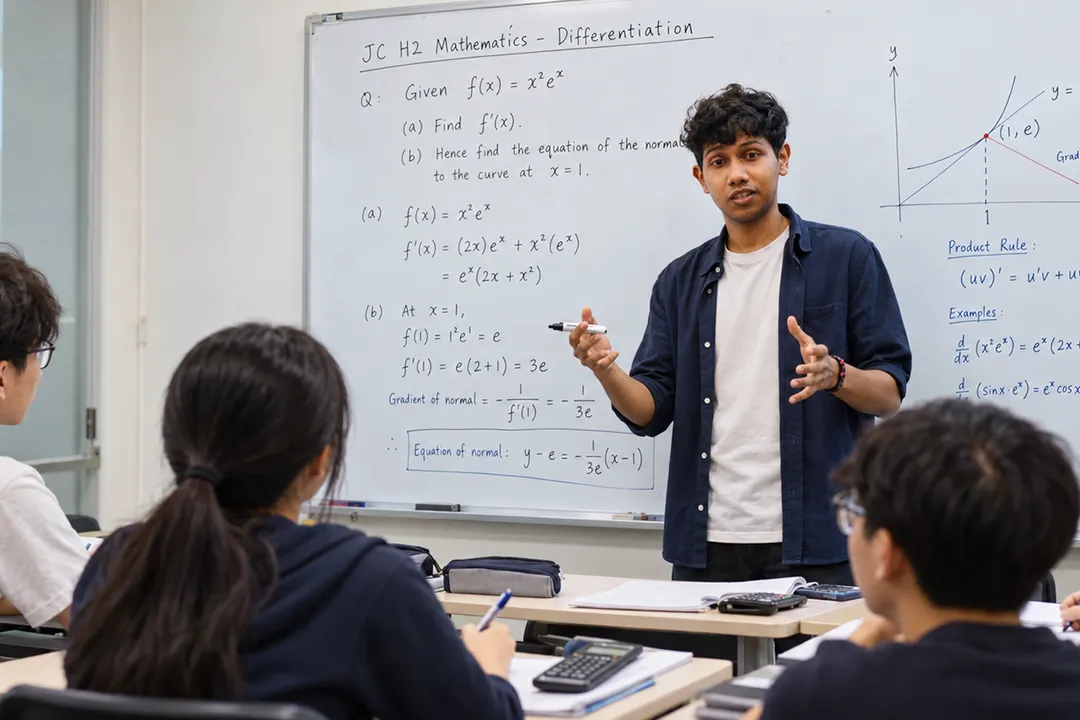
Junior College Mathematics can be a significant step up from secondary school, particularly when students encounter abstract concepts, multi-step problems and demanding examination questions. A suitable Junior College Math Tuition Centre Singapore students can attend should help them understand mathematical principles, improve problem-solving techniques and prepare confidently for the A-Level examinations. The right support can also help students identify weaknesses early, manage challenging topics and develop a more consistent study routine.
However, not every student needs the same type of tuition. Some struggle with calculus or vectors, while others understand the concepts but lose marks because of incomplete working, poor time management or difficulty applying familiar methods to unfamiliar questions. Understanding these challenges makes it easier for students and parents to choose tuition that fits their academic needs.
Why Choose a Junior College Math Tuition Centre in Singapore?
Junior College Mathematics requires more than memorising formulas. Students must understand how mathematical ideas connect, select suitable methods and explain their reasoning accurately. A structured tuition programme can provide additional practice and personalised guidance when school lessons move quickly.
A suitable centre should help students strengthen their foundations while tackling the demands of the current syllabus. Regular explanations, guided exercises and feedback can make difficult topics more manageable. Tuition is especially useful when students repeatedly make similar mistakes or need additional time to understand concepts introduced in class.
Nevertheless, tuition works best alongside school learning. Students should continue attending lessons, completing assignments and reviewing their mistakes independently. Consistent effort allows them to apply what they learn in tuition to different questions and examination settings.
What Should JC H2 Maths Tuition Singapore Cover?
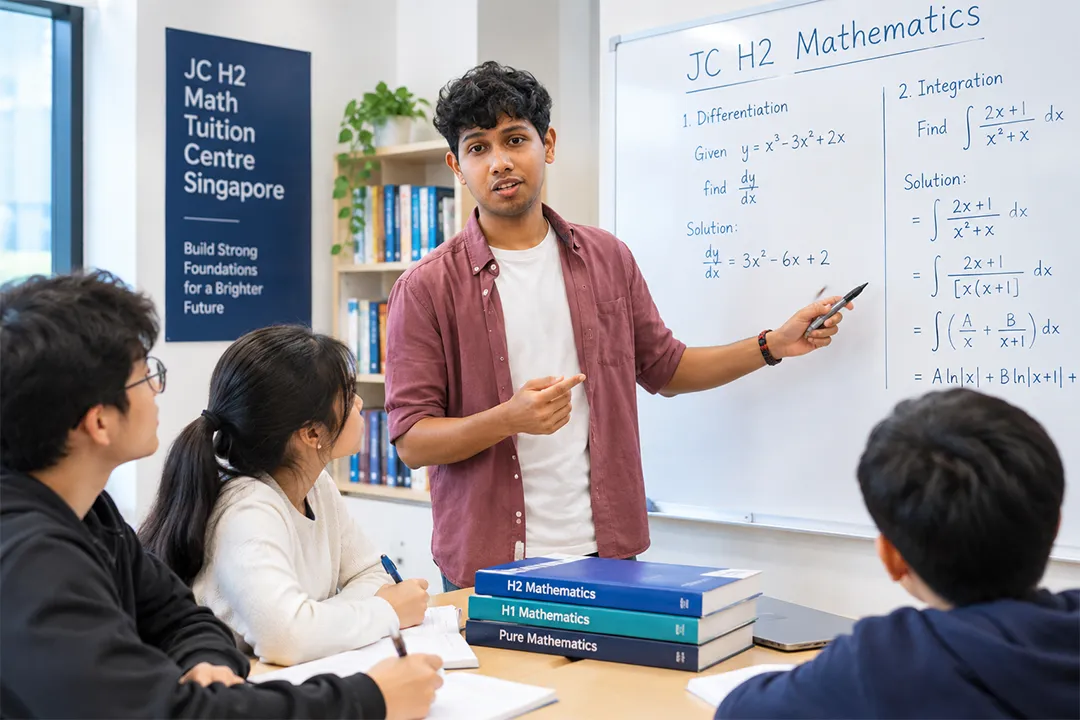
When comparing JC H2 Maths Tuition Singapore programmes, check whether the lessons align with the student’s examination syllabus and current learning needs. Singapore-Cambridge H2 Mathematics includes Pure Mathematics and Statistics, with topics such as functions and graphs, calculus, vectors, complex numbers, probability distributions and statistical inference. The exact syllabus and examination requirements should be checked against the relevant year’s official SEAB document.
A well-planned programme should explain concepts before moving towards more demanding applications. For example, students studying differentiation need to understand the underlying techniques before using them to solve optimisation or rate-of-change problems. Similarly, Statistics requires students to select appropriate methods, interpret results and express conclusions in context.
How Does a Structured H2 Maths Programme Help?
A structured programme organises topics into manageable learning stages. Students can first review essential knowledge, then practise standard questions and progress to unfamiliar or multi-step problems. This gradual approach helps them recognise which techniques apply in different situations.
Regular assessments can also reveal gaps before major examinations. Instead of repeating entire chapters without direction, students can concentrate on the skills they need to improve. Ideally, tutors should explain why an answer is incorrect, demonstrate a more effective method and provide similar questions so students can practise independently.
How to Select a JC Mathematics Tuition Centre Singapore Students Need
Choosing a JC Mathematics Tuition Centre Singapore students will benefit from involves more than comparing advertisements or promised results. The teaching approach, class environment and quality of feedback should match the learner’s requirements.
First, consider the tutor’s experience teaching the relevant Junior College Mathematics syllabus. A tutor should be able to explain complex concepts clearly, identify recurring errors and guide students through different question types. It is also helpful to ask how lessons are planned around JC1 or JC2 learning objectives and upcoming school assessments.
Next, examine the class size and level of interaction. Smaller classes may provide more opportunities to ask questions, although the quality of teaching matters more than class size alone. Students should feel comfortable admitting when they do not understand a concept.
Finally, check the lesson schedule, location, teaching materials and availability of additional support. A convenient timetable makes it easier to attend consistently, particularly during periods of heavy coursework and examination preparation.
What Is the Junior College Math Tuition Fee in Singapore?
The Junior College Math Tuition Fee Singapore families pay depends on the teaching format, tutor’s experience, lesson duration and frequency of classes. Group tuition, private one-to-one lessons and online sessions may have different pricing structures, so comparing the total cost is more useful than looking at a single advertised rate.
Before enrolling, ask what the fee includes. Some programmes provide printed notes, practice worksheets, revision sessions or recorded lessons, while others charge separately for certain resources. Check whether payment is monthly, term-based or per lesson, and clarify any registration fees, deposits or cancellation conditions.
Parents should also consider value rather than price alone. A lower fee may suit a student who needs occasional reinforcement, while a student with significant learning gaps might benefit from more individual attention. A trial lesson, if available, can help families assess the teaching style before making a longer commitment.
How Can a Junior College Math Tutor Singapore Improve Results?
A capable Junior College Math Tutor Singapore students work with should do more than demonstrate solutions. Effective tutoring helps learners understand why a method works, when to use it and how to present their reasoning clearly under examination conditions.
One useful approach is to review a student’s recent school assignments or test papers. This can reveal whether the main difficulties involve weak foundations, misunderstanding of concepts, incorrect calculator use, incomplete working or difficulty interpreting questions. The tutor can then prioritise the most important gaps instead of treating every topic equally.
Students should also learn from mistakes. After correcting a question, they can attempt a similar problem without looking at the worked solution. Keeping a record of recurring errors helps them identify patterns and measure progress over time.
Is JC Math Tuition for A-Level Preparation Singapore Worth Considering?
JC Math Tuition for A-Level Preparation Singapore can be valuable for students who need a clearer revision structure or additional support before major examinations. However, the most effective preparation begins well before the final revision period, rather than relying entirely on intensive lessons shortly before the A-Levels.
JC1 students can use tuition to establish strong foundations and address misunderstandings as they arise. JC2 students may need a more examination-focused plan that combines topic revision, timed practice and analysis of previous mistakes. Students approaching preliminaries or the A-Levels should prioritise weak areas while continuing to practise questions from topics they already understand.
Timed practice is particularly important because knowing how to solve a question is different from completing it accurately within a limited period. Students should review their working, check whether their answers address the question and practise allocating time sensibly across different parts of a paper.
How Can Students Get More from Mathematics Tuition?
Tuition becomes more effective when students take an active role in learning. Before each lesson, they should identify confusing concepts and bring relevant questions from school assignments or revision exercises. This gives the tutor a clearer picture of their difficulties and helps make lesson time more productive.
After class, students should revisit the examples and complete assigned practice independently. Simply reading a worked solution can create a false sense of understanding; solving a similar problem without assistance provides a better test of mastery.
It is also helpful to review progress regularly. Students and parents can discuss improvements in topic understanding, accuracy and confidence with the tutor. Although examination grades matter, progress in these underlying skills can indicate whether the learning approach is working. The aim is to build independent problem-solvers who can handle unfamiliar questions, not students who rely on memorised solutions.
Conclusion
Choosing the right Junior College Math Tuition Centre Singapore students can benefit from starts with understanding their learning needs, syllabus requirements and examination goals. A suitable programme should offer clear explanations, structured practice and constructive feedback while helping students become more independent.
Compare teaching methods, class arrangements, fees and available support before enrolling. With regular attendance, purposeful revision and consistent practice, students can strengthen their mathematical foundations and prepare more effectively for A-Level examinations.
Frequently Asked Questions
Students can begin when they notice persistent difficulties, need stronger foundations or want structured support with upcoming school assessments.
A syllabus-aligned programme should address both areas, with coverage confirmed against the student’s examination-year syllabus and learning needs.
Fees vary by tutor, lesson format, duration and frequency. Compare the complete fee structure and included learning resources before enrolling.
Group tuition offers peer learning, while private tutoring allows more individual attention. The best choice depends on the student’s needs and budget.
Yes. Regular tuition can support concept revision, targeted practice, timed-paper preparation and the correction of recurring mistakes.